

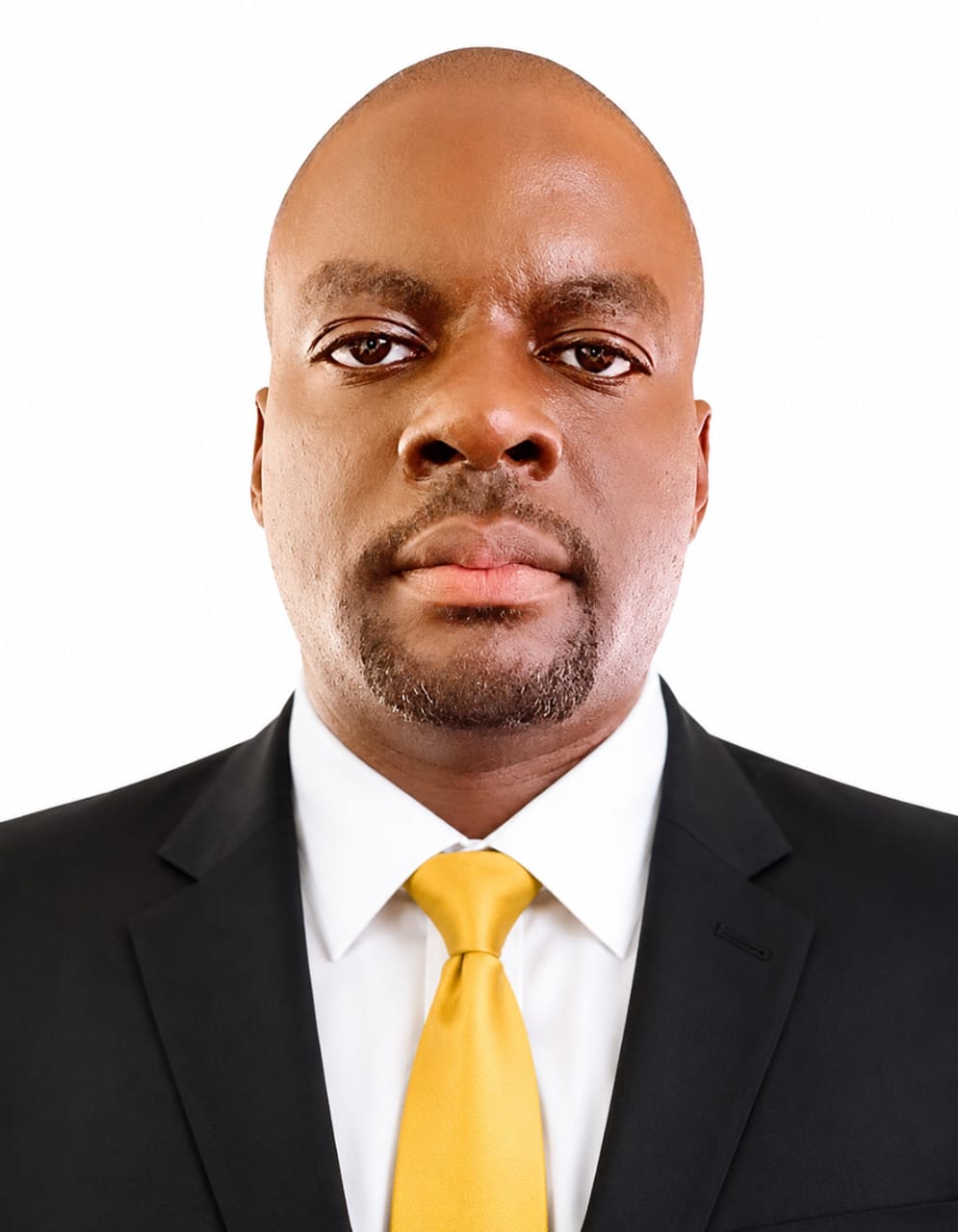
By Trevor Solomon Baleke | Jinja | November 8, 2026
There is an increasingly disturbing tendency among some local political leaders to mistake attendance at a function for an automatic entitlement to address the gathering. Some have developed an unfortunate belief that simply occupying a political office, whether as an LCIII Chairperson, LCV Chairperson or Councillor gives them an unquestionable right to speak at virtually every function they attend.
This culture of entitlement is not only misplaced but also embarrassing. It exposes a worrying lack of leadership discipline, protocol, social etiquette and, most importantly, an inability to appreciate the purpose of different gatherings.
Public functions, especially Thanksgiving, burial ceremonies, have increasingly turned into political speaking competitions. It is not unusual to find more than fifteen politicians being handed microphones, each apparently determined to say something, regardless of the purpose of the occasion or the time available. And should a politician be denied chance to speak, they turn into war, using future functions to make verbal attacks on the person who organized a previous function where they were not given the microphone.
One wonders whether some of these leaders attend functions when they know their purpose. Someone has invited you to celebrate with them, not to make your own speech. Isn’t that enough? At burial have you come to pay respects, comfort the affected families and share in the moment, or simply to find another platform from which to address the public.
A BURIAL IS NOT A POLITICAL RALLY
A burial ceremony is fundamentally an occasion for mourning, remembering the deceased, comforting the bereaved family and according the departed their final respects.

Where the family is religious, it is also an important spiritual occasion for the Church to preach, offer prayers, provide spiritual comfort and commit the deceased into God’s hands.
Unfortunately, the growing appetite for political speeches is increasingly taking away time that should ordinarily be reserved for these important activities.
Even more disturbing is the tendency to give politicians more speaking time than the immediate family of the deceased. In some instances, the family is allocated only a few minutes to speak about their beloved, while politicians are given extended opportunities to address mourners.
How can we justify a situation where a grieving family has limited time to celebrate the life of their own departed relative because politicians want to use the same occasion to make speeches?
What happened to the principle that the family should remain at the centre of its own bereavement?
There must be a clear understanding that attending a burial does not automatically make one a speaker. Sometimes, a simple recognition by the Master of Ceremonies is sufficient. A leader can attend, be recognised, pay their respects and leave without necessarily addressing the gathering.
There is absolutely nothing undignified about that.
HOLDING POLITICAL OFFICE DOES NOT MAKE YOU THE OWNER OF EVERY FUNCTION
An LCIII Chairperson does not own every function organised within their sub-county. Neither does an LCV Chairperson own every gathering within the district.
Holding that leadership position does not automatically confer speaking rights at every wedding, thanksgiving ceremony, burial, birthday celebration or other private function.
Every function has an organiser, a purpose and a programme. The organiser, or an authorised organising committee, has the responsibility to determine how the occasion will be conducted, including who should speak and for how long.
A private function does not become a district function simply because it is attended by several political leaders and Mr LCV chairman. Neither does a family burial become a political gathering simply because elected leaders have turned up.
Public office is a responsibility, not a licence to dominate other people’s occasions.

THE HOST COMMUNITY ALSO DESERVES RECOGNITION
There is, however, an important question of courtesy and local protocol that organisers should not overlook.
Where a function is held in a particular village, the local leadership of that community deserves appropriate recognition. Ordinarily, the LC1 Chairperson or the recognised leader of the host village should be given an opportunity to welcome guests and officially receive them into the community. This should not make the councilor, LCIII chairman or the LCV to think that they must also make a speech since the LCI has talked. The village chairman is the president, judge and RDC of the village.
This is a matter of courtesy, respect for local leadership and recognition of the community hosting the event.
Beyond that, other leaders attending the function should understand that their presence does not automatically qualify them for a speaking slot.
If they were invited, the minimum courtesy is for the Master of Ceremonies to recognise and acknowledge their presence. Failure to recognise an invited leader may reasonably raise questions about protocol and courtesy, but it should never be confused with a denial of an automatic right to address the gathering.
There is a difference between being recognised as an invited guest and being invited to make a speech. Every leader must learn to appreciate that distinction.
IF YOU WANT TO ADDRESS THE PEOPLE, CREATE YOUR OWN PLATFORM
One of the most unfortunate aspects of this behaviour is that some leaders appear to have forgotten that they have legitimate platforms through which they can communicate with the people they represent.
An LCIII Chairperson can organise community meetings, public barazas and sub-county dialogues. An LCV Chairperson can convene district-wide public engagements, consultative meetings and other appropriate platforms to communicate Government programmes, discuss development priorities and address the concerns of citizens.
Councillors and Members of Parliament equally have established avenues through which they can engage their constituents.
Why should a leader wait for somebody else’s wedding, thanksgiving, burial or family gathering to find an opportunity to address the public? And why should you quarrel for having not been given a microphone?
If you have a message for the people, organise a meeting and invite them. If you have development issues to discuss, convene a public dialogue. If you want to account to your electorate, create an appropriate platform. Be a leader, not an opportunist. Don’t be sadistic either.
Do not turn somebody else’s function into your political campaign ground or a personal opportunity to demonstrate relevance.
Leadership is about creating opportunities to serve and communicate with the people, not competing for microphones at other people’s functions.
LEADERSHIP REQUIRES THE WISDOM TO KNOW WHEN AND WHERE TO SPEAK
There is an important leadership quality that appears to be missing among some of our local leaders: knowing when to speak, where to speak and when to remain silent.
Not every gathering requires a political speech. Sometimes, the most appropriate contribution a leader can make is to attend, listen, offer support and allow the programme to proceed.
At a burial, let the Church have sufficient time to preach and pray. Let the immediate family have adequate time to remember their departed loved one. Let the mourners pay their respects without being subjected to an endless parade of political speeches.
At a wedding, allow the couple and their families to enjoy their celebration. At a thanksgiving ceremony, respect the programme prepared by the organisers and please let them enjoy their day. At a community function, understand the purpose of the gathering before demanding a place on the speaking programme.
The microphone is not a badge of political importance. Your leadership position does not diminish simply because you have attended a function without making a speech.
Indeed, a leader who can graciously accept recognition without demanding an opportunity to speak demonstrates more maturity than one who becomes agitated simply because they were not handed a microphone.
LET US RESTORE DIGNITY TO OUR PUBLIC FUNCTIONS
Our communities deserve better. Families deserve better. Religious institutions deserve better. And the people deserve leaders who understand that public leadership comes with discipline, humility and respect for other people’s spaces.
We must discourage the growing culture in which every political leader considers every public gathering an opportunity to address the masses.
Let local leaders learn to respect the purpose of each occasion, the discretion of organisers and the limited time available to the people who genuinely deserve to speak.
Most importantly, let us restore the dignity of Thanksgiving and burial ceremonies by giving the Church sufficient time to fulfil its spiritual responsibility and giving bereaved families the opportunity to speak adequately about their loved ones. This should be the same case during Thanksgiving ceremonies.
Being an LCV Chairperson does not make you the owner of every function in your area of jurisdiction. Being a politician does not mean you must speak wherever you go. And being invited to attend does not automatically mean you have been invited to address the gathering.
Sometimes, being recognised by the Master of Ceremonies is enough. Sometimes, silence is leadership. And sometimes, the greatest respect you can demonstrate is allowing somebody else’s function to remain about them.
Not every microphone is yours. Learn when and where to speak.
Trevor Solomon Baleke (0752009014)
Veteran Journalist, former Catechist and Deputy Resident District Commissioner, Bulambuli District