
By ASP Michael Kasadha
Every time another fatal road crash makes headlines, the public asks the same question: “Where was the police?” It is a fair question, but perhaps there is another we should all be asking ourselves: “What if every road user simply exercised greater caution?”
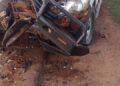
Uganda loses more than 4,000 people to road traffic accidents every year. In recent days alone, we have witnessed heartbreaking crashes that have claimed the lives of innocent Ugandans, including school children. Behind every statistic is a grieving family, shattered dreams and communities left mourning loved ones whose deaths could, in many cases, have been prevented.
Road safety is often viewed as the responsibility of the Traffic Police or the Ministry of Works. While these institutions play a critical role through enforcement and infrastructure development, the truth is that preventing road crashes begins with the individual behind the steering wheel, the motorcycle handlebars, or even the passenger seat.
Caution is not a complicated concept. It means respecting speed limits, fastening a seatbelt, wearing a helmet, avoiding alcohol before driving and refusing to overtake recklessly. It means understanding that arriving a few minutes later is far better than never arriving at all.
Imagine a Uganda where every driver chose patience over haste. The taxi driver would stay in his lane instead of risking a dangerous overtake. The boda boda rider would stop at a junction instead of weaving through traffic. The exhausted truck driver would pull over to rest instead of battling fatigue behind the wheel. Such simple decisions would save countless lives.

The benefits of cautious driving extend far beyond those on the road. Fewer accidents would reduce pressure on hospitals already struggling with limited resources. Police officers would spend less time responding to fatal crashes and more time preventing crime and serving communities. Families would remain intact, businesses would avoid losing productive workers and the economy would be spared billions lost through road crashes each year.
Some argue that poor roads, inadequate signage and weak enforcement are to blame for the increasing number of accidents. These concerns are valid, but they should never become excuses for reckless behaviour. While road users cannot repair a pothole or install a traffic sign, they can reduce speed, remain alert and make responsible decisions every time they get behind the wheel.
Road safety also requires collective responsibility. Passengers should refuse to travel in speeding vehicles. Friends and family members should stop anyone attempting to drive under the influence of alcohol. Parents should teach children how to use roads safely, while institutions, including the police, must lead by example by observing the same traffic laws they enforce.
Ultimately, road crashes are rarely acts of fate. They are often the result of avoidable mistakes, poor judgement and unnecessary risk-taking. If every Ugandan replaced one careless decision with one cautious one, we would begin to reverse the tragic trend that continues to claim thousands of lives every year.
The next road safety success story will not be written by the police alone. It will be written by every driver who slows down, every boda boda rider who wears a helmet, every passenger who speaks up against reckless driving and every pedestrian who crosses the road responsibly.
Road safety begins with us. If we all choose caution today, we can change tomorrow’s headlines from stories of tragedy to stories of lives saved.
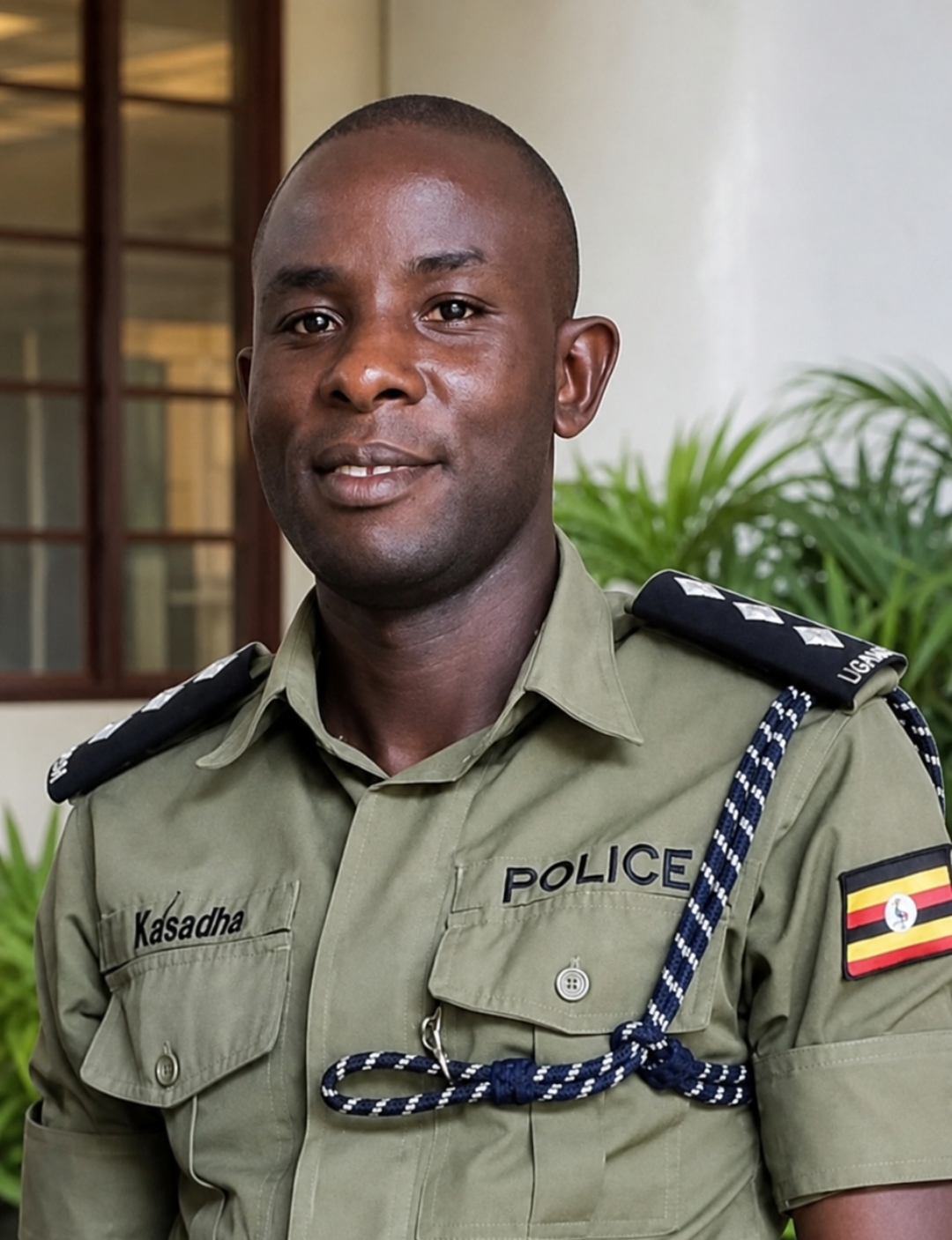
The writer is ASP Michael Kasadha, the Busoga East Regional Police Spokesperson.