
Uganda’s Universal Primary Education (UPE) programme remains one of the government’s greatest social investments. Since its introduction in 1997, millions of children who would otherwise have remained out of school have accessed free primary education. Yet, nearly three decades later, many people continue to judge the programme solely by the amount of capitation grant released per learner while ignoring the much larger investment government makes in every UPE child.
On Saturday, July 25, 2026, I listened to Oluyiira, a political talk show on Busoga One FM 90.6 hosted by Ibrahim Shamiru Byakika. The discussion, featuring Lugazi Municipality Assistant RDC Bosco Nabonge and educationist Emmanuel Nume, focused on corruption in public service.
When the discussion turned to identifying the most corrupt department at district level, the Assistant RDC pointed to the Works Department, while Mr. Nume rightly argued that the Education Department receives the lion share from the center. On that point, I find myself agreeing with Mr. Nume.
The education sector manages enormous public resources. Every financial year, government spends billions of shillings on teachers’ salaries, classroom construction, textbooks, instructional materials, school inspections, and capitation grants. Naturally, any weakness in accountability within the sector has far-reaching consequences.
However, I respectfully disagree with Mr. Nume when he argued that government sends only UGX 10,000 per learner annually under UPE and that the amount is too little to sustain education.
First, the figures need correction. Government currently provides a capitation grant of UGX 20,000 per ordinary learner and UGX 22,000 per learner with special needs annually.
More importantly, the capitation grant is only one component of government’s investment in a child.
Many Ugandans mistakenly assume that the capitation grant represents the total amount government spends on every learner. That is far from the truth.
Government also pays teachers’ salaries every month. It constructs classrooms, teachers’ houses, pit latrines and other infrastructure. It provides instructional materials, supports supervision and inspection, trains teachers, and finances national education administration.
Take a simple example.
Suppose a UPE school has 500 learners and government constructs classroom blocks worth UGX 100 million. That investment alone translates into approximately UGX 200,000 per learner.
If the same school employs nine teachers whose combined annual salaries amount to UGX 60 million, government is effectively spending another UGX 120,000 per learner on salaries.
When these costs are added to the UGX 20,000 capitation grant, government is already investing well over UGX 300,000 per learner, excluding textbooks, inspections, teacher training and other support services.
In private schools, parents are expected to meet all these costs themselves through tuition, development fees, construction charges and other levies.
This explains why the capitation grant is not intended to finance everything.
The grant is specifically meant to facilitate the day-to-day running of schools. It supports activities such as scholastic materials, co-curricular activities, school management meetings, minor operational expenses, other routine administrative costs and head teacher’s transport. Major expenditures like infrastructure development and teachers’ salaries are catered for separately by government.
Unfortunately, some school administrators deliberately ignore this broader picture. They cite the capitation grant as being “too little” to justify imposing illegal charges on parents, even though government is already meeting the biggest financial obligations.

This practice amounts to exploiting parents and, ultimately, stealing from Ugandan children.
Every illegal fee collected from parents defeats the spirit of Universal Primary Education, whose objective is to ensure that no child is denied education because of poverty.
Government deserves recognition for the substantial investment it continues to make in educating Uganda’s children despite competing national priorities.
At the same time, accountability within the education sector must be strengthened. Every shilling allocated to schools must be properly accounted for, and officers who misuse education funds should face the full force of the law.
School administrators must also understand that public schools are not private businesses. They are custodians of public resources entrusted to educate children, not avenues for unlawful enrichment.
Parents, School Management Committees, local leaders and Resident District Commissioners should work together to expose schools that impose unauthorized charges under the guise of supplementing inadequate government funding.
The debate should therefore move beyond the UGX 20,000 capitation grant. The real question should be whether all the resources government provides—including salaries, infrastructure, instructional materials and operational funding—are being used honestly and efficiently for the benefit of the Ugandan child.
That is where the fight against corruption in education should begin. It is also where the future of Universal Primary Education will be protected.
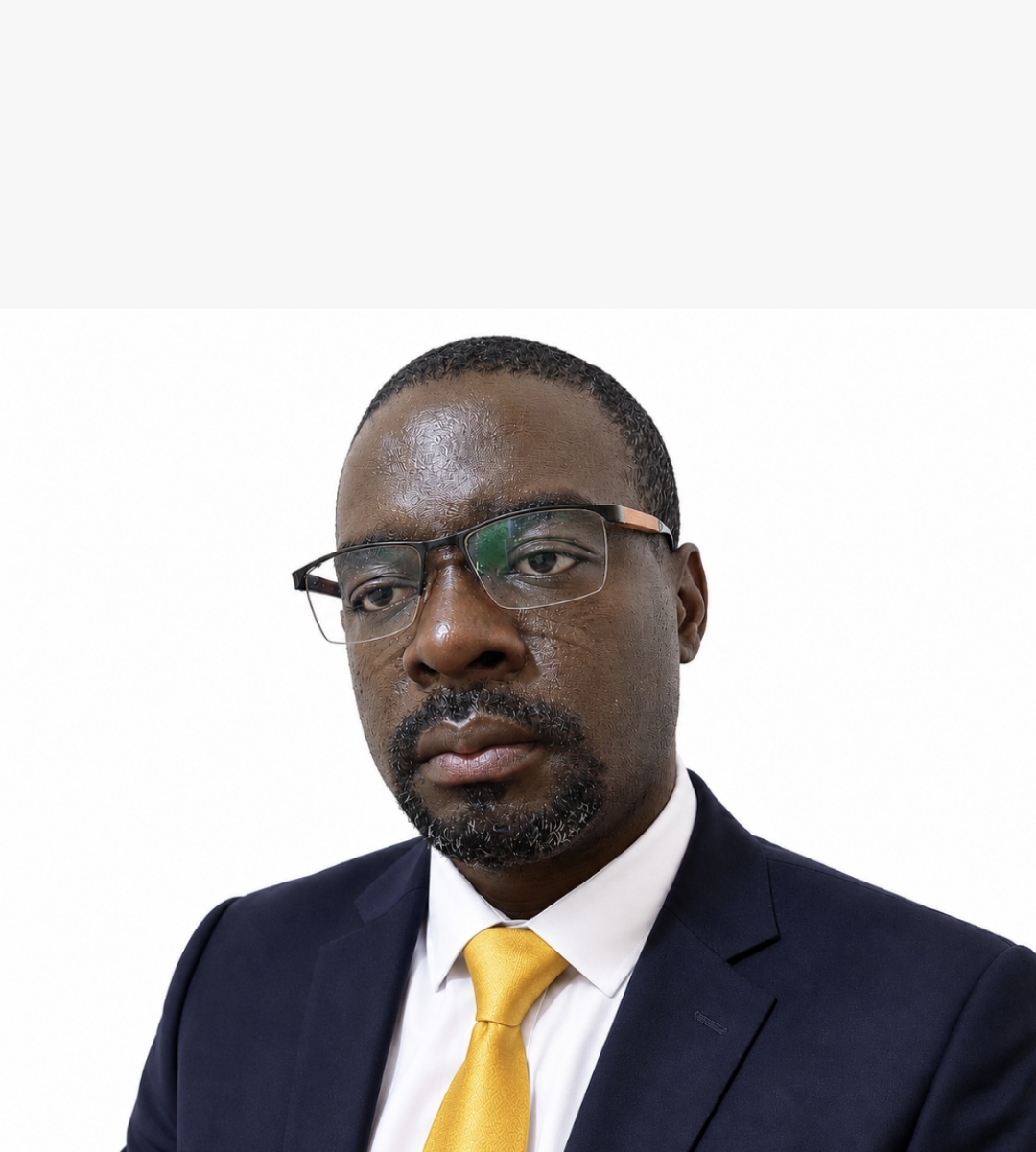
By Trevor Solomon Baleke | Deputy RDC Bulambuli | 0752009014 (WhatsApp)