

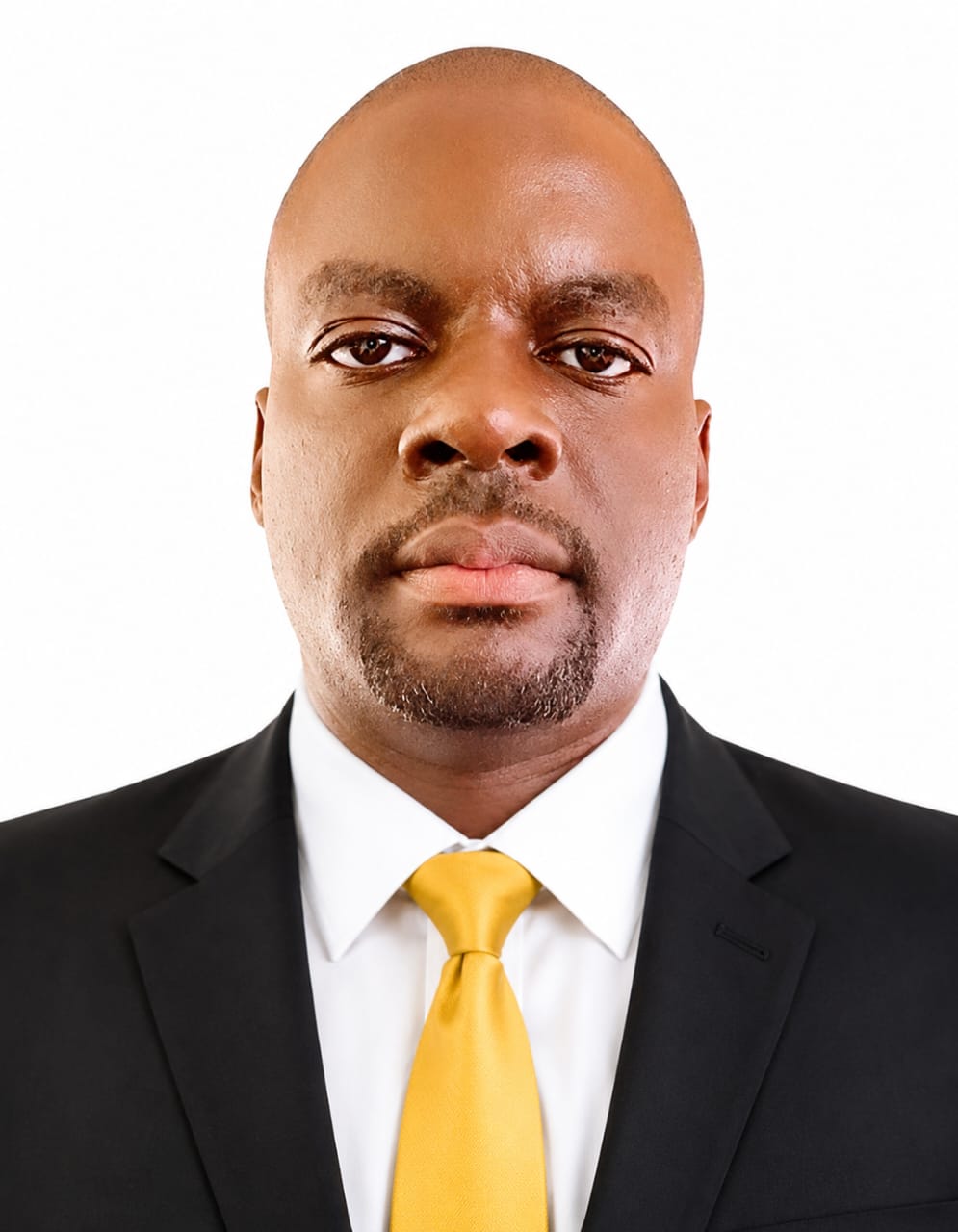
By Trevor Solomon Baleke | Kampala | August 29, 2026
Every village, parish, ward, town council and municipality should have an organised National Cleaning Day programme. Local leaders should meet ahead of every last Saturday of the month, identify the specific areas that require cleaning and mobilise every able citizen to participate. Those who deliberately default without reasonable cause should be identified and reported to the relevant authorities for appropriate management.
This, in my view, is how Uganda can turn National Cleaning Day from a three-hour monthly exercise into a powerful national culture of cleanliness, discipline, patriotism and collective responsibility.
The Government of Uganda deserves commendation for introducing National Cleaning Day and dedicating the last Saturday of every month, from 7:00 a.m. to 10:00 a.m., to cleaning our communities.
It is a simple but potentially transformative initiative. A clean country means healthier communities, better sanitation, cleaner markets, safer drainage systems, more attractive towns and a population that takes responsibility for its surroundings.

However, even the best government policy can fail when citizens refuse to embrace its spirit or when those entrusted with providing leadership turn it into something else.
And already, there are warning signs.
The Camera-And-Broom Culture
Some people holding political positions appear to be turning National Cleaning Day into a public-relations exercise.
They wake up, pick a broom, find a convenient place and ensure there is a camera nearby. They sweep for perhaps five minutes, photographs and videos are taken, social-media posts are made and, in some cases, that marks the end of their participation.
Unfortunately, some supporters are copying the same behaviour.
There is nothing wrong with photographing leaders participating in National Cleaning Day. Such photographs can actually mobilise and inspire the public.
The problem begins when the camera becomes more important than the broom.
A broom should never become a political prop. The purpose of National Cleaning Day is not to produce beautiful photographs of leaders sweeping. It is to produce clean villages, clean trading centres, clean towns and ultimately a clean Uganda.
A responsible leader should mobilise his or her people before the day, participate with them and ensure that the community is visibly cleaner at 10:00 a.m. than it was at 7:00 a.m.
Some People Are Creating Rubbish For Others To Collect
There is another disturbing practice emerging in some urban areas.

Some residents reportedly collect garbage from their homes and businesses and dump it along roads and other public places on the eve of National Cleaning Day, expecting those participating in the exercise to remove it the following morning.
That is not participation. It is abuse of the programme.
National Cleaning Day was never created so that responsible citizens could become garbage collectors for irresponsible ones.
Local authorities should therefore strengthen enforcement against indiscriminate dumping. People who deliberately throw rubbish in unauthorised places should be dealt with in accordance with applicable public-health, environmental and local-government regulations.
Cleaning Uganda must involve two things: removing existing dirt and stopping people from creating more of it.
In The Villages, We Have Another Problem
The situation in some rural communities is even more worrying.
National Cleaning Day arrives, but some people wake up early and proceed to their gardens as though it were an ordinary Saturday. Others continue with business. Some remain at home until the exercise is over.
There are also civil servants who should be providing leadership but reportedly remain indoors until 10:00 a.m., only emerging when the cleaning exercise has ended.
This attitude must change.
Government is asking for only three hours once a month for citizens to collectively improve their communities. That is hardly too much to ask.
Where ordinary movement or business is lawfully restricted during those hours, those deliberately going about non-exempt normal activities should be stopped and appropriately reprimanded by the responsible authorities. Genuine emergencies and officially exempted activities must, of course, be respected.
Make The Village The Centre Of Organisation
The most effective implementation of National Cleaning Day should begin at the lowest administrative unit.
An LC1 chairman should not simply wake up on Saturday morning and start looking for a broom.
Days before the exercise, local leaders should meet and ask a simple question: What part of our community requires our attention this month?
Perhaps a drainage channel is blocked. Maybe a community road is becoming overgrown. Perhaps the trading centre is dirty. There could be rubbish around a market, school, health facility or water source.
Identify it beforehand.
Then mobilise the community and assign responsibilities.
The LC1 leadership should coordinate households at village level. Parish and sub-county leadership should supervise and support them. In urban areas, wards, town councils, divisions and municipalities should develop similar arrangements.
This would give National Cleaning Day purpose and measurable results.
Instead of hundreds of people randomly walking around with brooms, every community would have an assignment.
At the end of the three hours, leaders should be able to say: This was our problem, this is what we did, and this is what our community now looks like.
Local leaders should also know who deliberately refused to participate. Persistent or deliberate defaulters, where participation is legally required, should be reported through the appropriate administrative structures for lawful management.
Government should therefore provide clear and uniform guidelines defining responsibilities, reasonable exemptions and enforcement procedures. Enforcement must be lawful, fair and consistent rather than arbitrary.
Bring Our Children On Board
There is another group we should deliberately involve: our children and teenagers.
Young people of an appropriate age, including those around 13 years and above, should be encouraged to participate alongside their parents, guardians and communities in safe, age-appropriate cleaning activities under adult supervision.
They should, of course, never be exposed to dangerous waste, sharp objects, contaminated materials, deep drainage channels or other hazardous work.
But giving a teenager a broom to sweep a safe compound or helping them collect ordinary litter safely can teach something far greater than cleaning.
It teaches responsibility.
We need to remove the mentality that cleaning is a punishment, a disgrace or work reserved for people of a particular social class.
Cleaning is not a crime. Cleaning is part of responsible living.
Imagine a 13-year-old growing up seeing the LC1 chairman, teachers, parents, political leaders, police officers, soldiers, doctors and other respected members of society all cleaning their community together.
That child learns that no position in society makes a person too important to clean the place where he or she lives.
These children are Uganda’s future.
They are tomorrow’s ministers, RDCs, doctors, teachers, journalists, engineers, soldiers, police officers, businesspeople, farmers and community leaders.
If we impart cleanliness, discipline and communal responsibility in them today, tomorrow’s Uganda may not need authorities chasing adults from their houses to clean.
The greatest achievement of National Cleaning Day may therefore not be the rubbish we remove today, but the responsible citizens we raise for tomorrow.
Police And UPDF Deserve Appreciation
One group deserves special recognition.
The Uganda Police Force and Uganda People’s Defence Forces have demonstrated commendable enthusiasm during these exercises in many places. Officers can be seen sweeping, clearing public spaces and working together in a spirit that deserves appreciation.
But there is something deeply uncomfortable about watching uniformed officers cleaning while able-bodied civilians stand nearby watching them.
Our police officers and soldiers already carry enormous national responsibilities. They should participate as citizens and institutions, but National Cleaning Day must never quietly become another responsibility transferred to the security forces.
If a soldier can pick up a broom and clean his community, why should an able-bodied civilian consider himself too important to do the same?
There Are Lessons Around Us
Uganda does not have to reinvent everything.
Rwanda has institutionalised Umuganda, under which communities participate in organised community work, traditionally on the last Saturday of the month. One important lesson from Rwanda is the value of organisation, community mobilisation and consistency.
Singapore also demonstrates that public cleanliness requires more than employing people to sweep streets. Its approach combines cleaning services with public education, personal responsibility and enforcement against littering.
Uganda does not have to copy either country wholesale. Our circumstances are different.
But the lesson is universal: a country cannot clean its way out of a culture of littering.
People must first learn not to litter.
Cleanliness Is Development
National Cleaning Day should never be dismissed as merely sweeping roads.
Cleanliness has direct consequences for public health and development.
Poorly managed rubbish can block drainage systems and worsen flooding. Dirty surroundings create favourable conditions for disease vectors. Poor waste management contaminates communities and undermines sanitation.
Clean markets protect both traders and customers. Clean schools provide children with dignified learning environments. Clean health facilities inspire confidence. Clean towns attract visitors and businesses. Clean roadsides improve the image of our country.
Uganda proudly calls itself the Pearl of Africa. The Pearl should look like one.
Our beautiful landscapes, towns and villages should not be buried beneath plastic bottles, polythene, food waste and overflowing rubbish.
Government Has Planted A Good Seed — Let Us Protect It
Government deserves praise for the goodwill behind National Cleaning Day.
It has planted a very good seed.
What is required now is organisation, sustained mobilisation, civic education and lawful enforcement so that indifference does not kill that seed.
Let political leaders stop reducing the exercise to five-minute camera appearances.
Let civil servants come out and provide leadership.
Let residents stop dumping rubbish for other people to collect.
Let village leaders plan before the day instead of improvising on Saturday morning.
Let parents bring their older children along for safe activities and teach them that cleaning their community is honourable.
Let local governments enforce waste-management rules.
And let every Ugandan understand that Police and UPDF personnel are participating with us, not cleaning for us.
Ultimately, the success of National Cleaning Day should not be measured by how many photographs of important people holding brooms appear on social media.
It should be measured by cleaner villages, cleaner markets, unclogged drainage channels, orderly trading centres, responsible households and a generation of children growing up knowing that keeping their environment clean is simply part of being a good citizen.
A clean Uganda will not be built by cameras watching a few people sweep. It will be built when every citizen understands that keeping the Pearl of Africa clean is a personal, communal and patriotic responsibility.
The author is the Deputy Resident District Commissioner of Bulambuli District. The views are his personal opinion. Can be reached on WhatsApp, 0752009014