
By Eye Media Uganda | Iganga | September 8, 2026
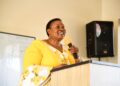
The Head of the RDC Secretariat and Anti-Corruption Unit, Maj. Martha Asiimwe, has challenged Iganga leaders to turn government investments into measurable improvements in people’s lives.
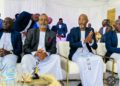
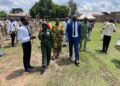
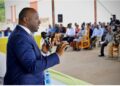
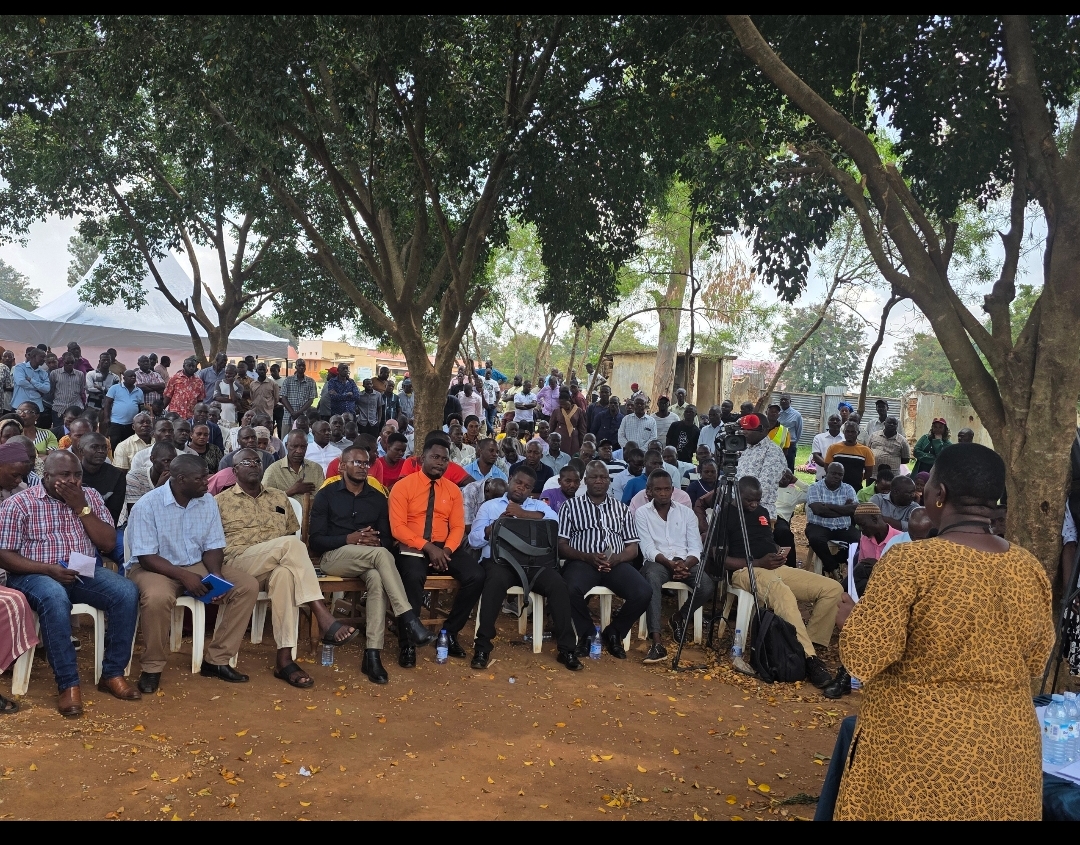
On Tuesday, September 8, 2026, Maj. Asiimwe addressed RDCs, technical officers, security personnel and political leaders from Iganga District and Iganga Municipality at Iganga Municipal Council Primary School.
She said the RDC Secretariat and Anti-Corruption Unit team was in Busoga to provide oversight, mentoring and mobilisation while strengthening Commissioners to fulfil their mandate.
The visit forms part of efforts to implement President Yoweri Kaguta Museveni’s declaration of the 2026–2031 political term as a “Kisanja for No More Sleep, No More Corruption.”
Maj. Asiimwe said the President had directed the Government and the country to concentrate on creating jobs, generating wealth and increasing household incomes.
She explained that the team’s responsibility was to complement field officers in monitoring, assessing, verifying and following up government programmes.
Maj. Asiimwe said proper monitoring would ensure that public programmes reach the intended beneficiaries and result in efficient service delivery.
She emphasised that the mission was not limited to mobilising communities but also involved changing people’s attitudes towards work, enterprise and self-reliance.
Communities were encouraged to abandon dependency, hopelessness and subsistence living and instead embrace hard work, innovation and opportunities provided by the Government.
Maj. Asiimwe said poverty should not be accepted as the destiny of the people of Iganga and Uganda.
She called for collective efforts to move households out of what she described as “endoolo and kulambara”—conditions of poverty, helplessness and constant struggle.
She warned that extreme poverty exposes individuals and families to frustration, hopelessness and other social challenges that eventually affect the country’s development.
Maj. Asiimwe urged leaders to restore hope, promote self-reliance and help households understand the opportunities available to improve their livelihoods.
According to figures presented during the meeting, Iganga District has 101,789 households, with 25.2 per cent classified as being in the subsistence economy.
Maj. Asiimwe said leaders should not treat these figures as mere statistics in official reports.
She challenged them to establish how many households were transitioning from subsistence farming to commercial production, value addition and sustainable household incomes.

Maj. Asiimwe said the Parish Development Model, Emyooga and other government interventions should be treated as instruments for wealth creation rather than ends in themselves.
She explained that PDM beneficiaries require guidance to select viable enterprises, invest properly, produce consistently, find markets, make profits, save and reinvest.
This, she said, would enable households to participate meaningfully in the money economy.
Maj. Asiimwe noted that Iganga is strategically positioned to benefit from Uganda’s economic transformation because of its agricultural base, expanding urban economy and road connections.
She said the district could develop into a centre for agro-processing, value addition, trade and employment creation.
Farmers were encouraged to look beyond finding markets for raw produce and consider consistent production, processing and access to better-paying markets.
Maj. Asiimwe also called for close monitoring of government investments in education, roads, electricity, water, healthcare and skills development.
Iganga District reportedly has 153 government-aided primary schools and 12 government-aided secondary schools, in addition to investments in technical and vocational training.
She said infrastructure alone would not transform households unless it delivered the intended results.
Schools must produce relevant knowledge and skills, roads must connect farmers to markets, electricity must support production, and health facilities must provide quality healthcare.
Maj. Asiimwe also urged leaders to equip Iganga’s largely youthful population with practical skills and opportunities to participate in agriculture, manufacturing, construction, ICT, mechanics and other productive sectors.
She described young people as one of Uganda’s greatest productive assets who should be supported to create enterprises instead of depending entirely on formal employment.
Maj. Asiimwe warned that corruption directly frustrates service delivery and keeps households trapped in poverty.
She said patients suffer when medicines are stolen, children lose when teachers abandon duty, and families remain poor when PDM funds are diverted.
Taxpayers also lose when contractors deliver substandard work or public procurement processes are manipulated.
Maj. Asiimwe said the Office of the RDC is the first anti-corruption office at district level and must help communities understand government programmes and the resources allocated to them.
She encouraged Commissioners to use the media to educate the public about government initiatives and funding arrangements.
An informed population, she observed, would be better positioned to demand services and hold programme implementers accountable.
The Commissioner of RDCs in charge of Eastern Uganda, Rtd. Col. Dhamuzungu Oguli, reinforced President Museveni’s call to end corruption.
He urged RDCs, political leaders, technical officers and security agencies to work together to protect public resources and ensure that government programmes produce results.
Maj. Asiimwe said differences in institutional roles should not become obstacles to service delivery.
She observed that citizens are less concerned about which government institution delivers a service and more interested in whether the service is delivered effectively.
Leaders were urged to remain loyal, committed, professional, calm and approachable while respecting the rule of law and promoting national unity.
Maj. Asiimwe also advised leaders to remain patient with the people they serve, saying citizens are more likely to understand and support government programmes when leaders engage them respectfully.
Her team’s ongoing engagement in Busoga demonstrates the Office of the President’s commitment to moving oversight from offices and reports to communities where government programmes are implemented.
Maj. Asiimwe called upon Iganga leaders to move from meetings to action, reports to results and promises to measurable change.
She said decisions must translate into action, contractors must deliver quality work on time, and public resources must provide visible value to citizens.
“No More Sleep. No More Corruption. No More Excuses,” Maj. Asiimwe emphasised.
She concluded by calling upon RDCs, civil servants and security officers to serve above self, uphold accountability and work collectively for Iganga’s social and economic transformation.