

By Eye Media | Apac District | July 9, 2026
The Member of Parliament for Maruzi North County, Banerd Otim Odoc, has intensified efforts to bridge the clean water access gap in the constituency through the restoration of broken boreholes.
Maruzi North County, which comprises the sub-counties of Chegere, Apac and Teboke, has a clean water coverage of 71 percent, serving an estimated population of more than 80,000 people. The low coverage has largely been attributed to the non-functionality of many boreholes across the area.
Chegere Sub-county is the worst affected, with clean water coverage standing at just 43 percent and borehole functionality at 68 percent. Apac Sub-county has water coverage of 83 percent and functionality at 70 percent, while Teboke Sub-county has 88 percent coverage with functionality also standing at 70 percent.
Residents say many of the boreholes broke down years ago and communities lacked the financial capacity to repair them, forcing thousands to trek long distances in search of safe water.
Since assuming office in January 2026, Otim has made improving access to clean water one of his priorities. The legislator has so far facilitated the repair of 50 boreholes since April this year.
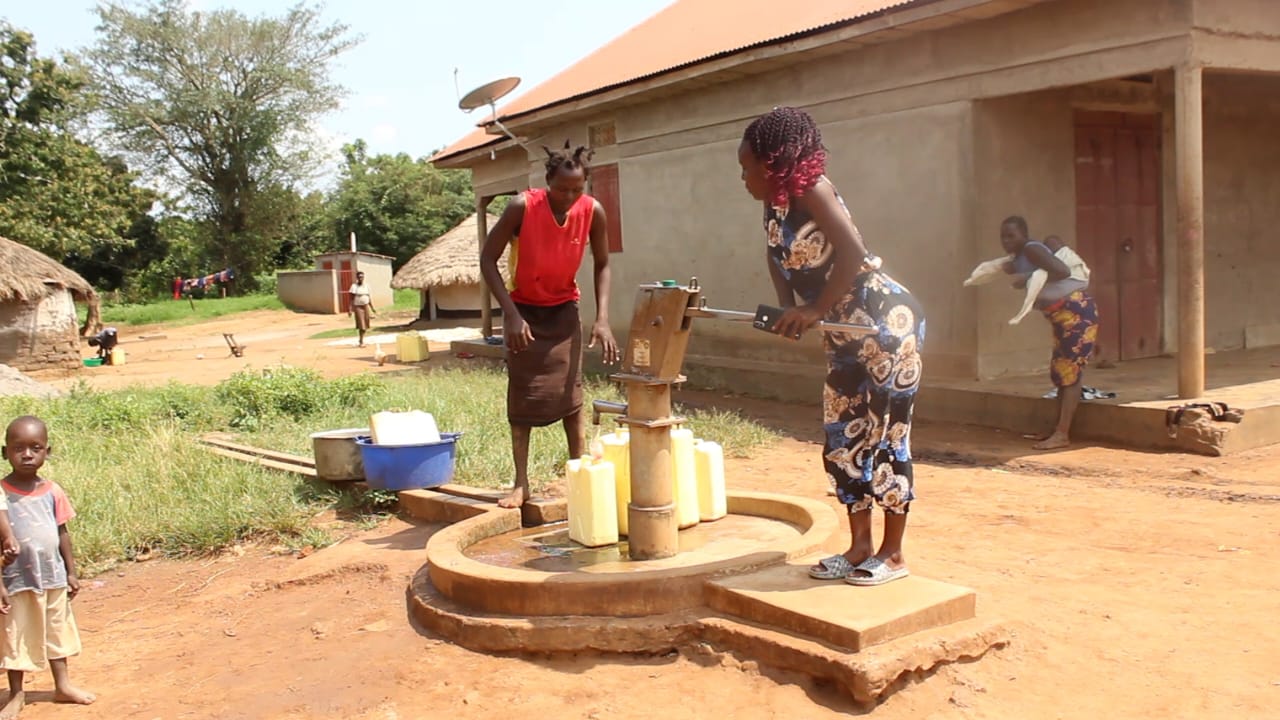
The intervention has renewed hope among residents, many of whom had endured years of water scarcity.
Jasper Otim, a resident of Atakara in Atopi Parish, Apac Sub-county, said the repaired borehole has significantly improved their lives.
“We were fetching water from a distance of about five kilometres and there was too much overcrowding there, but now we are fetching water from within our village,” he said.
Collen Ojok, a resident of Angeki Village in Chegere Sub-county, said the restored water source has relieved women of the burden of contributing money for maintenance.
“We used to contribute Shs5,000 monthly for the maintenance of the borehole, but we are now fetching water free of charge. We thank our MP for the kindness,” she said.
Apac District Water Officer Patrick Okwir called for the strengthening of water user committees to ensure proper management and maintenance of community water sources.
“We have drilled boreholes in almost all villages in the district, but whenever they break down, communities often fail to repair them,” Okwir said.
According to district statistics, access to clean water in Apac District stands at 79 percent, meaning that 21 percent of the district’s population of more than 221,962 people, according to the 2024 National Housing and Population Census, still struggle to access safe water.
This translates to more than 41,000 people in the district facing challenges in accessing clean and safe water, underscoring the need for continued investment in water infrastructure and maintenance.