
By Trevor Solomon BALEKE | Saturday July 4, 2026
Uganda will on July 23 begin the long-awaited Local Council I (LCI) and Local Council II (LCII) elections with the election of Women Council Executive Committees. While every registered political party has an opportunity to compete, the political environment strongly favours the National Resistance Movement (NRM), which enters the exercise with unmatched grassroots structures, the advantage of incumbency and sustained engagement with communities.
Unlike presidential elections, where campaigns are heavily influenced by rallies, social media and national political personalities, village elections are decided by people who know one another personally. Voters elect leaders who have demonstrated commitment to their communities, solved local disputes and remained accessible throughout the years. These are areas where the NRM has consistently maintained an advantage.
The last nationwide LCI elections in 2018 offer valuable lessons. At the time, the Forum for Democratic Change (FDC) was Uganda’s largest opposition party under Dr. Kizza Besigye. FDC had a vibrant national presence and considerable support in urban areas. Yet when Ugandans voted for village leaders, the NRM overwhelmingly dominated the exercise across the country. The elections demonstrated that national popularity does not necessarily translate into victory at the grassroots, where organisation and community presence matter more than political slogans.
Over the years, the NRM has deliberately built structures in virtually every village, parish, sub-county and district. These structures are not activated only during campaigns but remain functional throughout the electoral cycle. This continuous engagement enables the party to mobilise supporters effectively and identify credible local leaders who already enjoy the confidence of their communities.
Government programmes have also strengthened the NRM’s standing in rural Uganda. The Parish Development Model (PDM), despite implementation challenges in some areas, has reached every parish and introduced millions of Ugandans to government-backed wealth creation initiatives. Whether directly benefiting or simply witnessing neighbours receive support, many Ugandans associate these programmes with President Yoweri Museveni and the NRM government.
Similarly, recent salary enhancements for teachers, health workers, security personnel and other public servants have improved morale among many workers and their families. These interventions reinforce the perception that government is responding to long-standing concerns about public servants’ welfare and investing in service delivery.
By contrast, the opposition faces a more difficult task.
The National Unity Platform (NUP) generated enormous excitement during the January 2026 general elections, particularly among young voters. However, excitement alone does not sustain political movements. Grassroots politics demands continuous engagement, strong local leadership and permanent village structures.
In my assessment, many supporters expected sustained nationwide mobilisation after the January elections. Instead, some have perceived a reduction in the party’s grassroots activities and national visibility. This perception has caused sections of the opposition support base to question whether the leadership remains consistently engaged with ordinary supporters beyond election campaigns.
There is also a growing feeling among some voters that politics centred on confrontation has come at a high personal cost. Some supporters who participated in demonstrations or political activities that resulted in arrests or legal action have expressed disappointment that they were left to deal with the consequences largely on their own. Whether this perception is entirely justified or not, it has influenced how some Ugandans evaluate opposition leadership.
For many years, it was widely believed that urban centres would always remain opposition strongholds. However, I believe that assumption is changing. Increasingly, many urban voters are paying closer attention to practical issues such as employment, household incomes, infrastructure, security and government programmes rather than emotional political messaging. As a result, the NRM is increasingly becoming competitive even in areas that were once considered difficult political territory.
The coming LCI and LCII elections are therefore likely to reaffirm a political reality that has existed for decades. The NRM combines experience, organisational discipline, nationwide structures and the advantage of implementing government programmes that directly affect ordinary citizens. These strengths place it in a commanding position ahead of the grassroots elections.
Ultimately, the decision belongs to the electorate. However, if history, organisation, government performance and current political trends are reliable indicators, the NRM is well positioned to secure an overwhelming majority of LCI and LCII positions across Uganda. The party’s enduring strength at the village level remains the foundation upon which its national electoral success has been built, and the forthcoming elections are likely to demonstrate that reality once again.
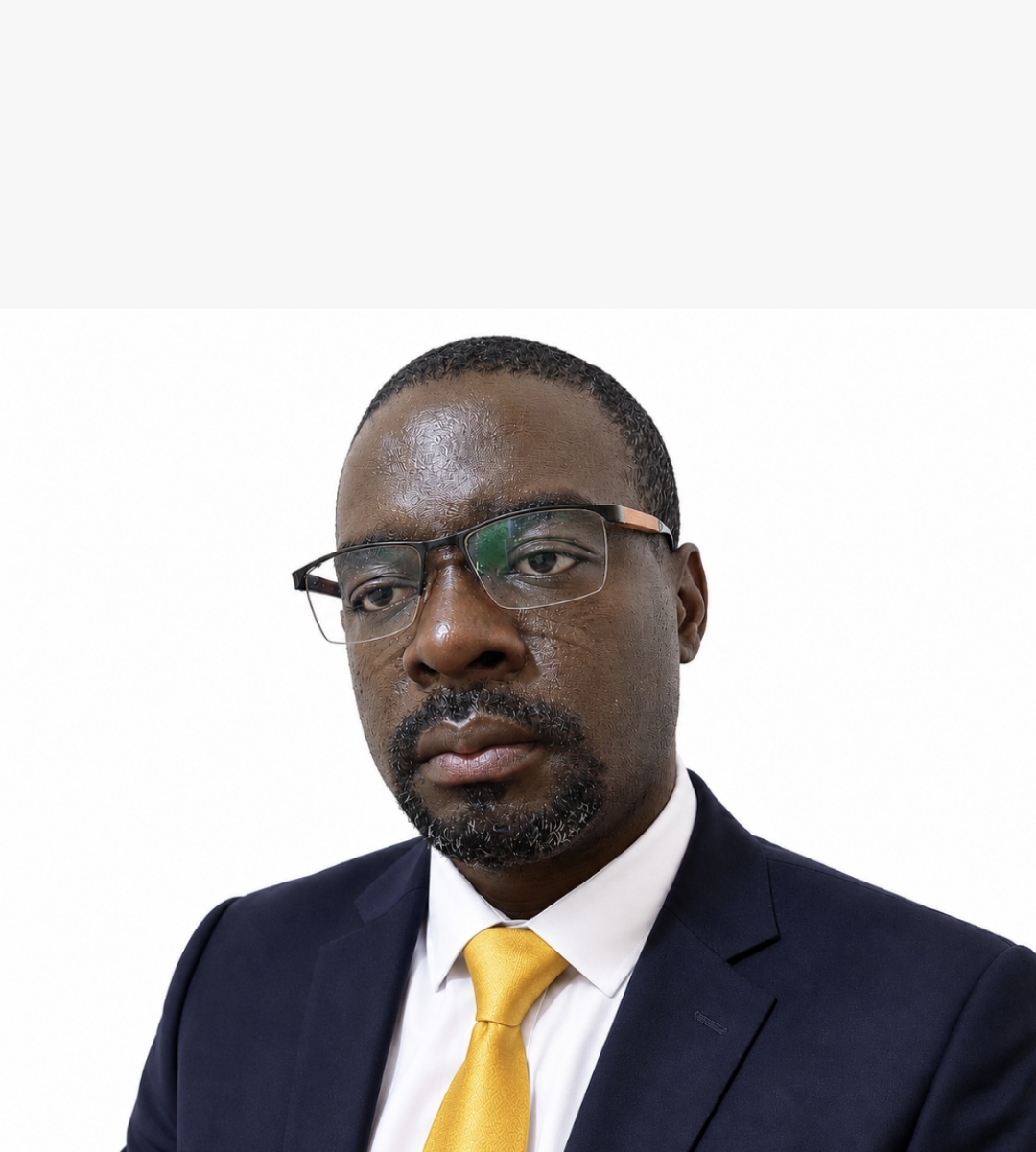
The author is the Deputy RDC, Kotido District , Veteran Journalist & Former NRM District Administrator, Kamuli. Can be reached on WhatsApp +256752009014